
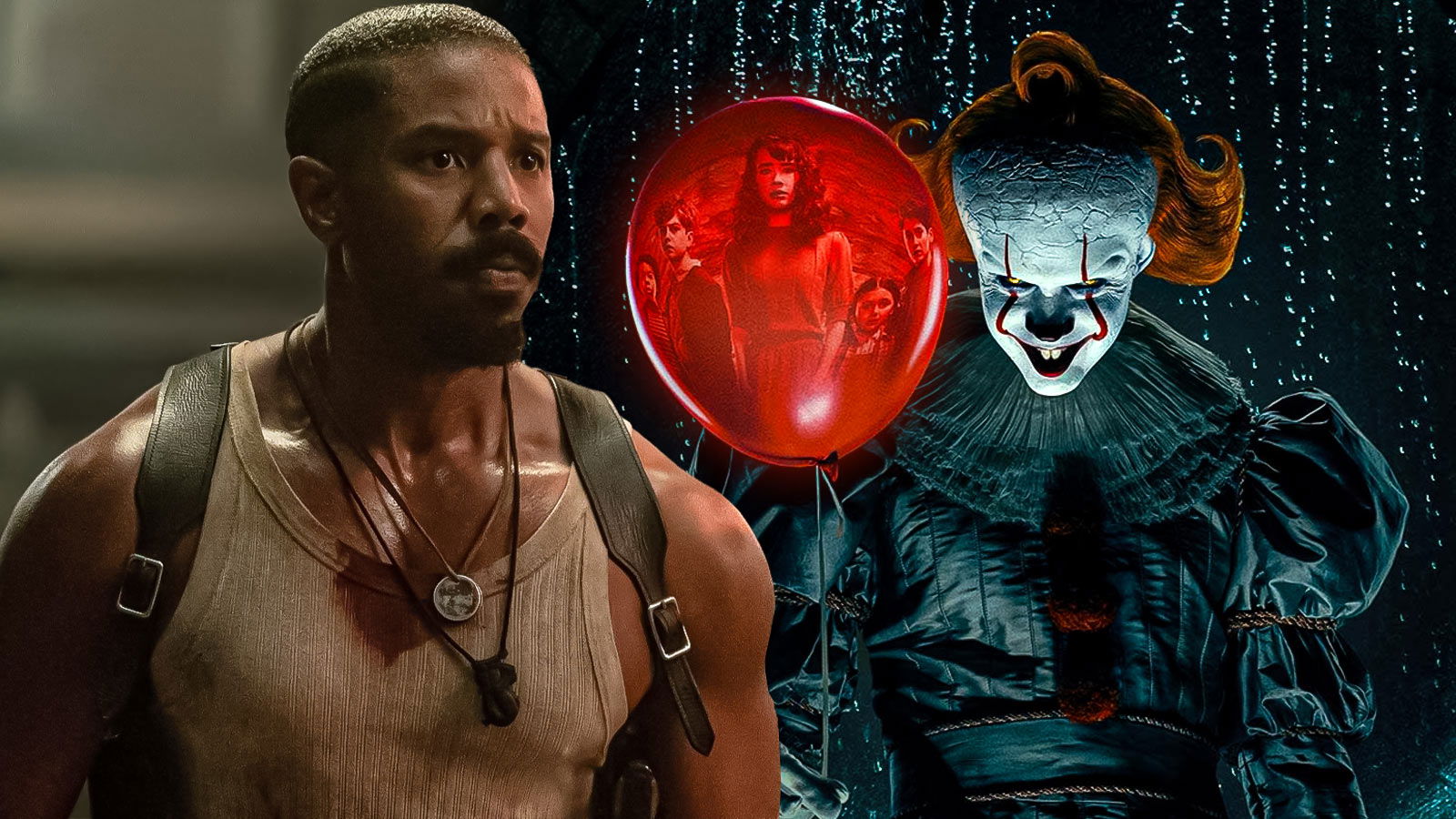
It: Welcome to Derry Season 1’s Episode 6 has sneaked in a hidden nod to Michael B. Jordan’s supernatural gem, Sinners. Just like the $367 million-grossing film (via Box Office Mojo), the series also leans into the revival of the juke-joint or club vibe as a haven, a trap, and a symbol of community under threat.
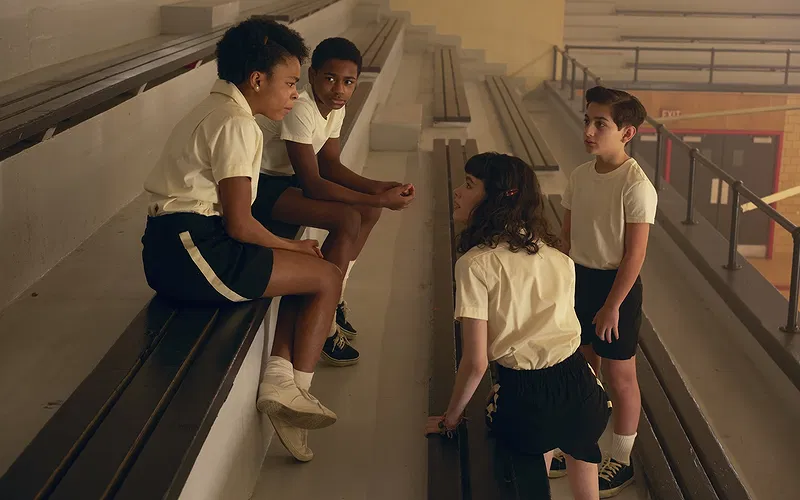
The episode introduces us to The Black Spot, a club run by Black airmen on the army base. It is a place of music, camaraderie, dancing, and a brief moment of joy for the kids and some adults. Characters like Ronnie reunite with her father, young Will, and others meet at the club.
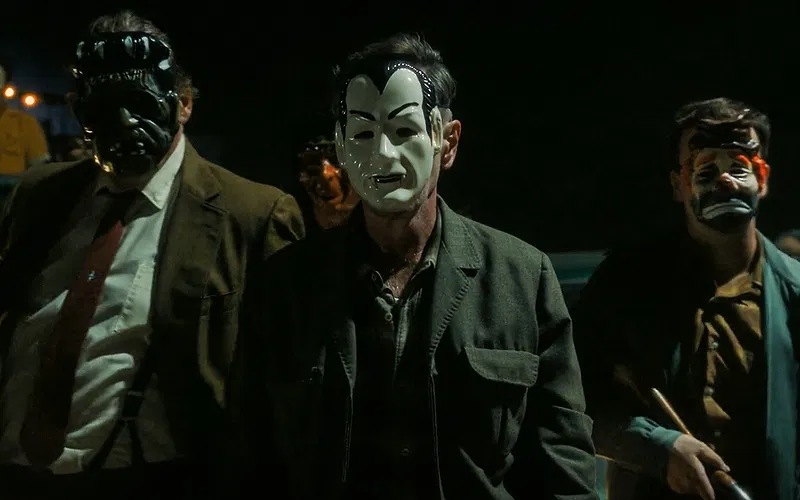
We even get a memorable scene of characters getting slightly drunk, playing drums, and partying the night away, unaware of the Maine Legion of White Decency, aka the white supremacists, gathering outside.
The show uses this club setting to amplify the contrast: inside, there is warmth, music, connection, and even ‘freedom,’ but outside is the looming hatred, violence, fear, and eventual horror. This is not only a subtle nod to Jordan’s thriller, but also serves as a perfect metaphor for how evil (Pennywise in this case) exploits division and fear.
What In the Name of the Father Reveals About Pennywise
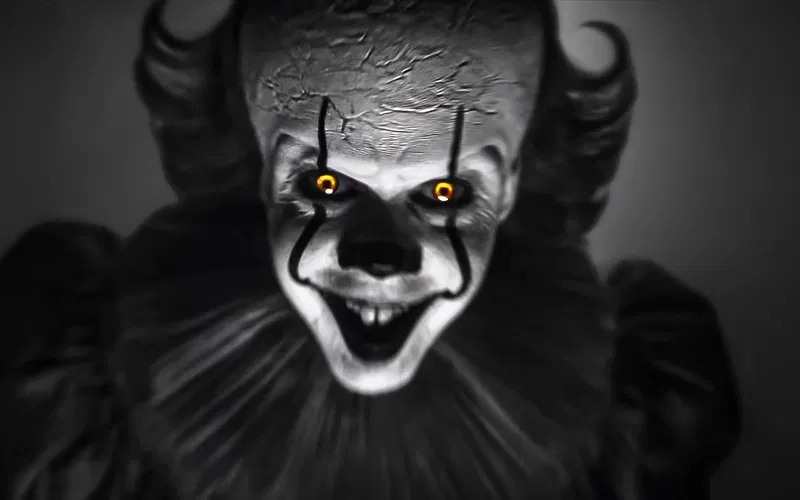


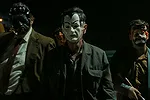


The sixth episode of It: Welcome to Derry had a lot to reveal about Pennywise and his backstory. The episode unveils a character named Ingrid Kersh, who is revealed to be the daughter of Pennywise’s clown persona, or at least someone who believes him to be her father.
As a child, Ingrid was a patient in Juniper Hill asylum; in the 1935 flashback, Pennywise emerges, meets her, and she addresses him as “Papa.” This connection reshapes how we understand Pennywise’s manipulative power. He doesn’t just prey on fear, but also on loss, longing, grief, and distorted love.
Ingrid’s traumatic loss becomes fuel for Pennywise’s manipulation. Her grief, guilt, and longing allow the evil clown to have her on a string, making her feed him children at Juniper Hill in the hopes of reuniting her “father.”
Pennywise’s Delayed Entrance Was Inspired By Jaws
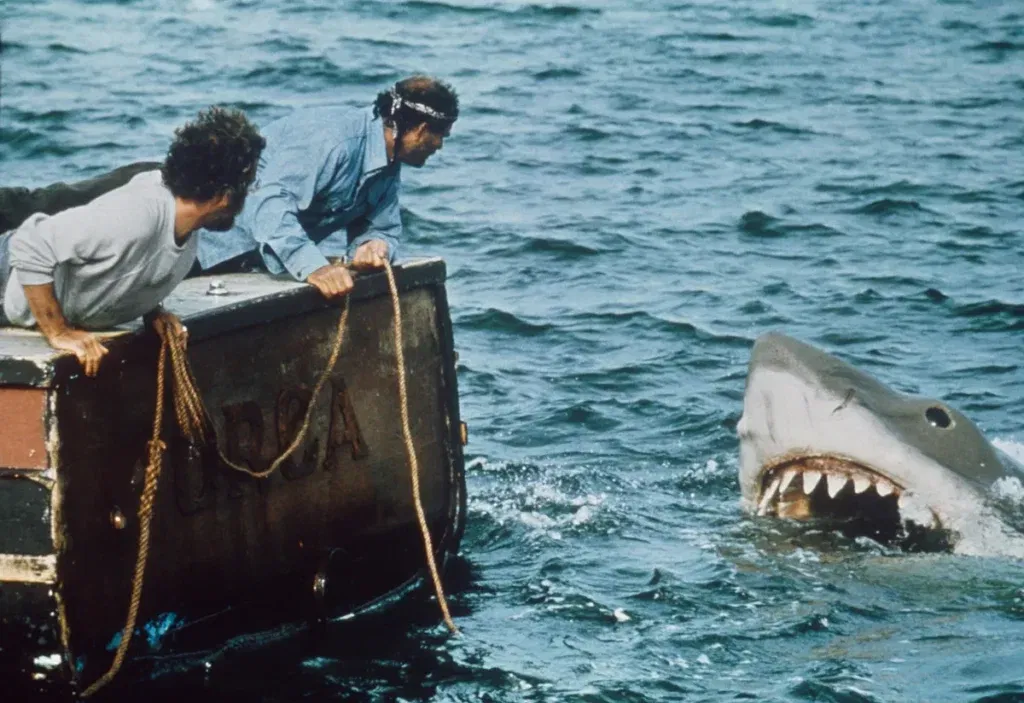
One of the classic strategies in horror, used in films like Steven Spielberg’s Jaws, is the delayed entrance. Instead of showing the monster right away, filmmakers build suspense: whispers, hinting shadows, mounting dread. When the monster finally appears, the impact is far greater.
It: Welcome to Derry uses the same tactic as series co-creator and executive producer Barbara Muschietti revealed to Entertainment Weekly.
We decided that, in this season, Pennywise should be a little bit like the shark in Jaws. You really want to be strategic. In both movies, it was very important for us to keep the mystery and the fear for this character alive. We find that familiarity is the enemy of that. So it was important for us to delay the pleasure, or the terror, as much as we could.
Meanwhile, Andy Muschietti called it a slow-burning, game of anticipation, which makes people feel like ‘I need to see the clown! Where is it?!’
Well, their tactic definitely works as by layering horror through human cruelty and fear, Pennywise’s entry becomes a payoff. Not only does it resonate harder than a classic, traditional jump-scare, but it also underscores his importance as the leading figure.
What are your thoughts about the matter: did you like the show’s approach of delayed entrance, or would you have preferred to see the evil clown at the start of the show? Let us know in the comments below.


