Beauty Rebuilt: How a 3D‑Printed Beak Gave an Eagle a Second Life
Rescue and diagnosis
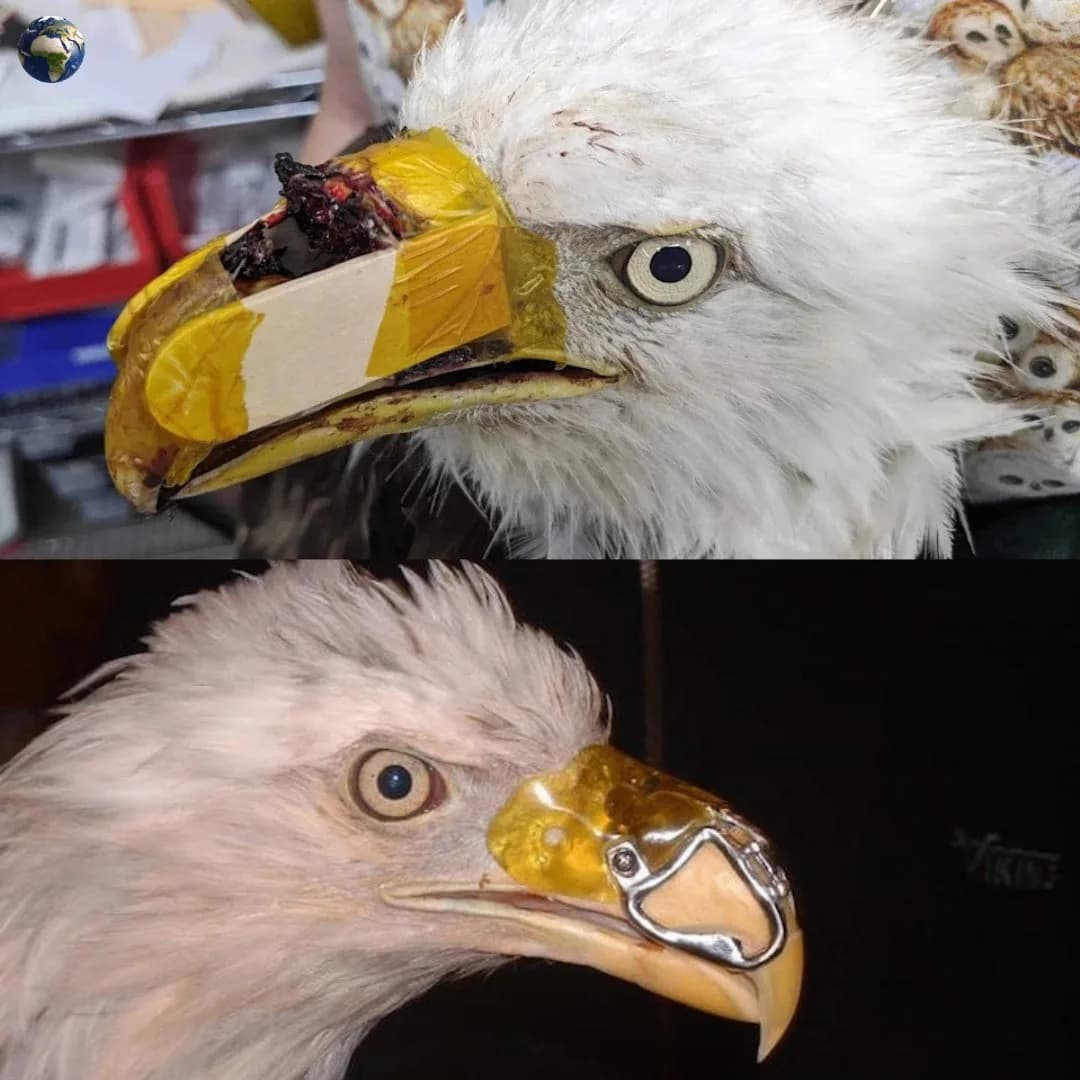
When rescuers first found Beauty, a bald eagle in Alaska, she was barely alive. A single gunshot had destroyed her upper beak — the primary tool an eagle needs to eat, drink, groom, and defend itself. Without that structure, she could not feed or clean herself; in the wild, her decline would have been swift and irreversible.
The unlikely team
Instead of accepting that fate, a small, cross-disciplinary group formed around one goal: give Beauty a second chance. The team included a wildlife rehabilitator, a mechanical engineer, a dentist, and a 3D-printing specialist. Each member contributed a vital skill:
- Wildlife rehabilitator: diagnosis, ongoing care, and behavioral assessment.
- Mechanical engineer: structural design and attachment methods to withstand daily use and flight forces.
- Dentist: precision shaping and understanding of tissue interface and prosthetic biomechanics.
- 3D-printing specialist: material selection, prototype production, and finishing.
Designing a prosthetic beak
The team faced tight constraints. The prosthetic had to be:
- Lightweight enough not to interfere with flight dynamics.
- Durable and impact-resistant for feeding and preening.
- Comfortable and compatible with the remaining bone and soft tissue.
- Precisely shaped to match the eagle’s natural feeding mechanics.
They scanned Beauty’s skull and remaining beak remnants, then iterated through multiple prototypes. Every millimeter mattered: the wrong angle or weight distribution could prevent a normal grip or cause injury. The dentist advised on contact surfaces and load distribution; the engineer modeled stresses; the printer specialist tested polymers and composites that balanced strength and mass.
The moment of truth
When the final 3D-printed beak was ready, the team attached it with careful precision. In a room full of people holding their breath, Beauty reached down, gripped a piece of food, and fed herself for the first time since the injury. The reaction was immediate — tears, laughter, and profound relief. That single act proved the prosthetic worked:
She fed herself. In that small, ordinary motion was a turning point for one animal and the people who refused to give up.
Healing beneath the prosthetic
Beyond restoring function, the prosthetic served another unexpected role: protection. By shielding the damaged area, it allowed fragile tissues beneath to heal. Over months of wearing the device and receiving care, Beauty’s natural beak began to regrow under the prosthetic — a remarkable demonstration of how a well-designed implant can support biological recovery rather than merely replace lost structure.
What this means for wildlife rehabilitation
Beauty became the first bald eagle known to receive a fully functional, 3D-printed beak. Her case highlights several broader implications:
- Interdisciplinary collaboration can solve problems that fall outside traditional specialties.
- Accessible digital tools (scanning, CAD, and 3D printing) accelerate development of customized prosthetics for wildlife.
- Prosthetics can do more than replace lost parts: they can protect and promote natural healing.
Lessons learned and practical takeaways
- Start with the animal’s needs: design choices must prioritize behavior, comfort, and safety.
- Prototype quickly and test progressively: iterative design minimizes risk and optimizes fit.
- Material matters: choose biocompatible, lightweight materials that balance rigidity and resilience.
- Plan for long-term care: prosthetics require monitoring, adjustments, and rehabilitation work to restore natural behaviors.
How you can help
Beauty’s story shows that compassion plus innovation can change outcomes. If you want to support similar efforts, consider these actions:
- Donate or volunteer at local wildlife rehabilitation centers.
- Support organizations that fund veterinary innovation and prosthetic research.
- Spread awareness about wildlife protection and the dangers of illegal shooting and habitat destruction.
- Encourage partnerships between universities, clinics, and rehabilitation facilities to share knowledge and resources.
Final thoughts
Beauty’s recovery is both a technical achievement and a testament to human empathy. A handful of strangers refused to accept a tragic ending and, through focused collaboration, created a solution that restored function and allowed biological healing to continue. Her story reminds us that innovation directed by compassion can rebuild what was broken — and that when we apply our skills to help, the benefits can extend far beyond a single life.


