Brotherhood in Battle: Navy SEAL Mike Thornton’s Extraordinary Rescue
Brotherhood in Battle: The Heroism of Mike Thornton
On October 31, 1972, a five-man Navy SEAL reconnaissance team operating near the Cua Viet River landed north of its intended location and walked into a deadly ambush. At dawn more than fifty North Vietnamese soldiers engaged the patrol, turning an intelligence mission into a desperate fight for survival.
The SEALs and their South Vietnamese partners returned fire under punishing conditions. During the assault, Lieutenant Thomas R. Norris—already respected for earlier daring actions—suffered a severe head wound and was believed to be mortally injured.
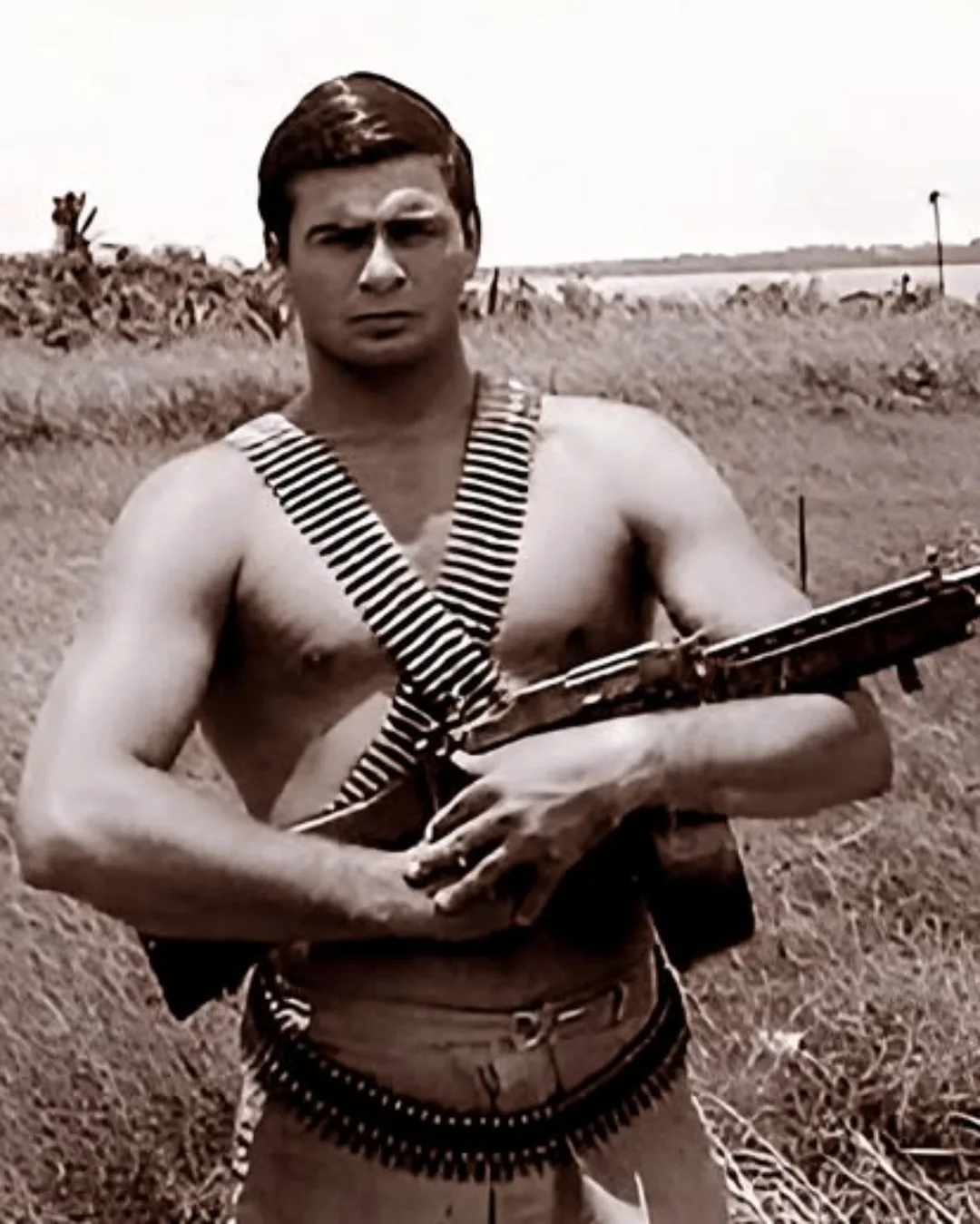
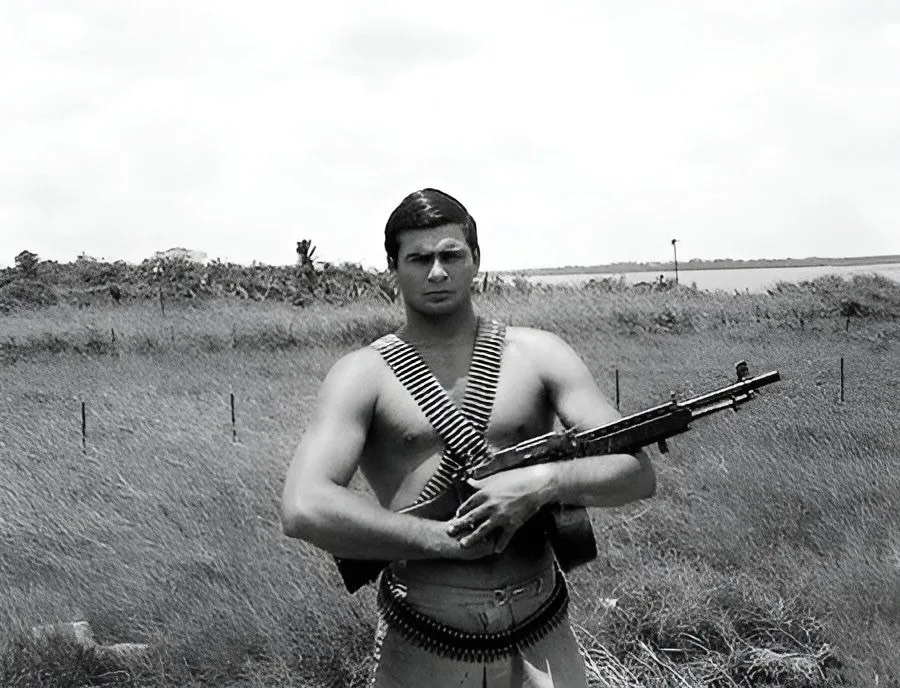
Petty Officer Michael E. Thornton, then 23 years old, refused to leave his leader behind. Braving automatic weapons and grenade blasts, Thornton sprinted nearly 500 yards of exposed terrain to reach Norris. Along the way he engaged enemy fighters and neutralized two who were closing on the wounded lieutenant.
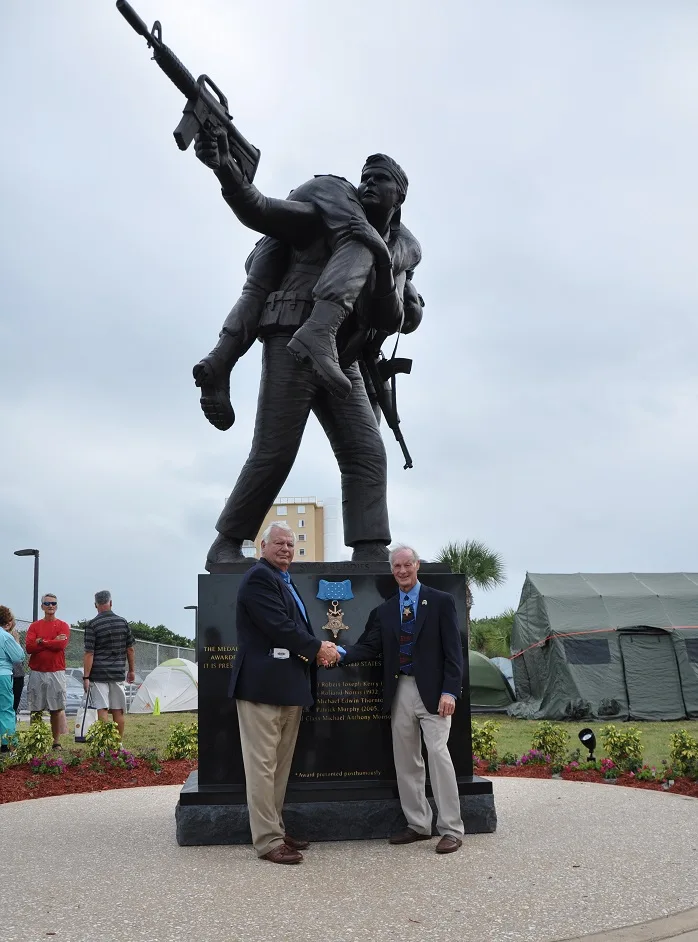
Despite having taken shrapnel wounds himself, Thornton found Norris barely alive. He hoisted the officer onto his shoulders and began a grueling withdrawal toward the coastline. During the retreat he came across a wounded South Vietnamese commando and, refusing to abandon him, dragged the man while carrying Norris.
With enemy forces in pursuit, Thornton entered the surf and swam. For almost two hours he towed both injured men through rough water until a support craft could pick them up. Exhausted and bleeding, Thornton’s determination had nonetheless saved two lives.
Award and Notable Distinctions
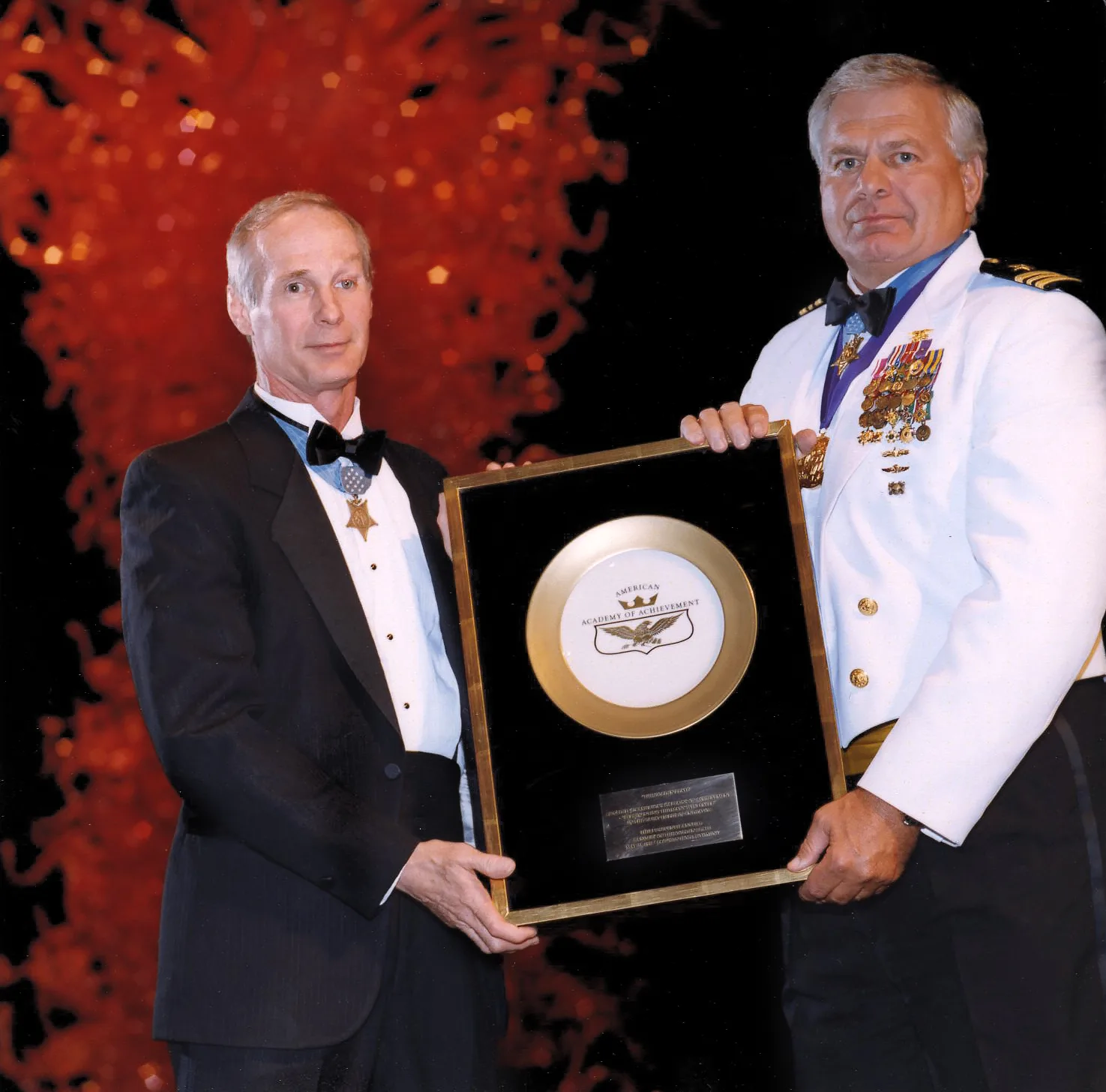
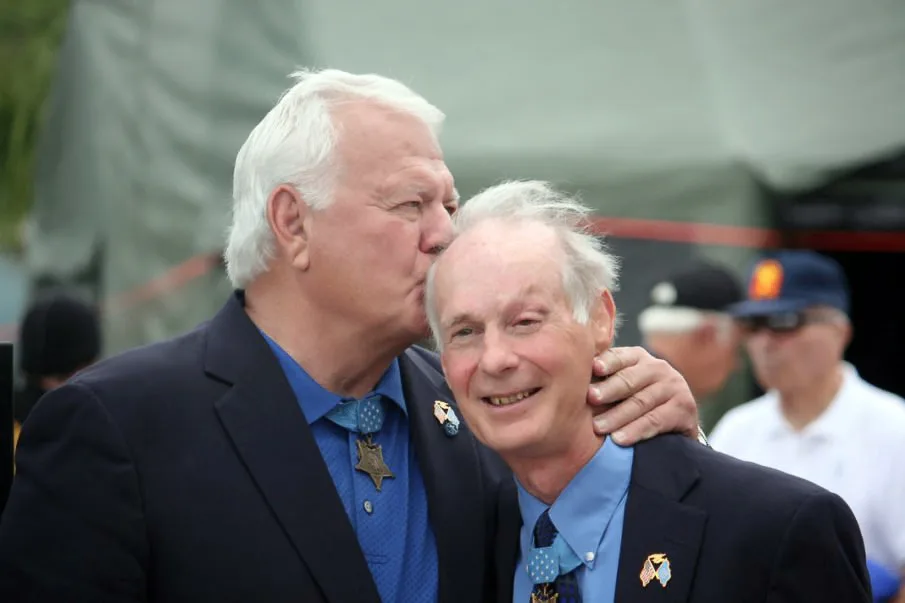
For his selfless actions that day, Thornton was awarded the Medal of Honor by President Richard Nixon on October 15, 1973. The event received additional attention because Lieutenant Norris, who survived the ordeal Thornton endured, later received the Medal of Honor in 1976 for a separate rescue mission earlier that year.
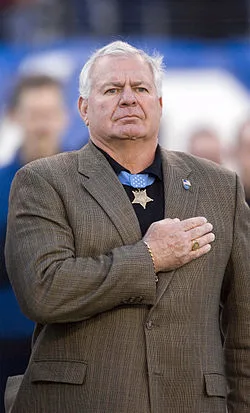
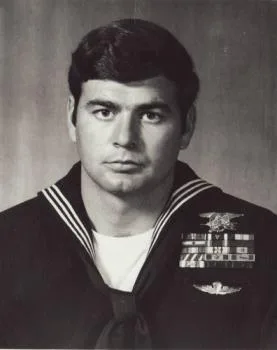
- Enlisted in the U.S. Navy in 1967 and completed BUD/S training.
- Served 25 years, later becoming a BUD/S instructor and shaping new SEALs.
- Was a founding member of SEAL Team Six and retired as a lieutenant in 1992.
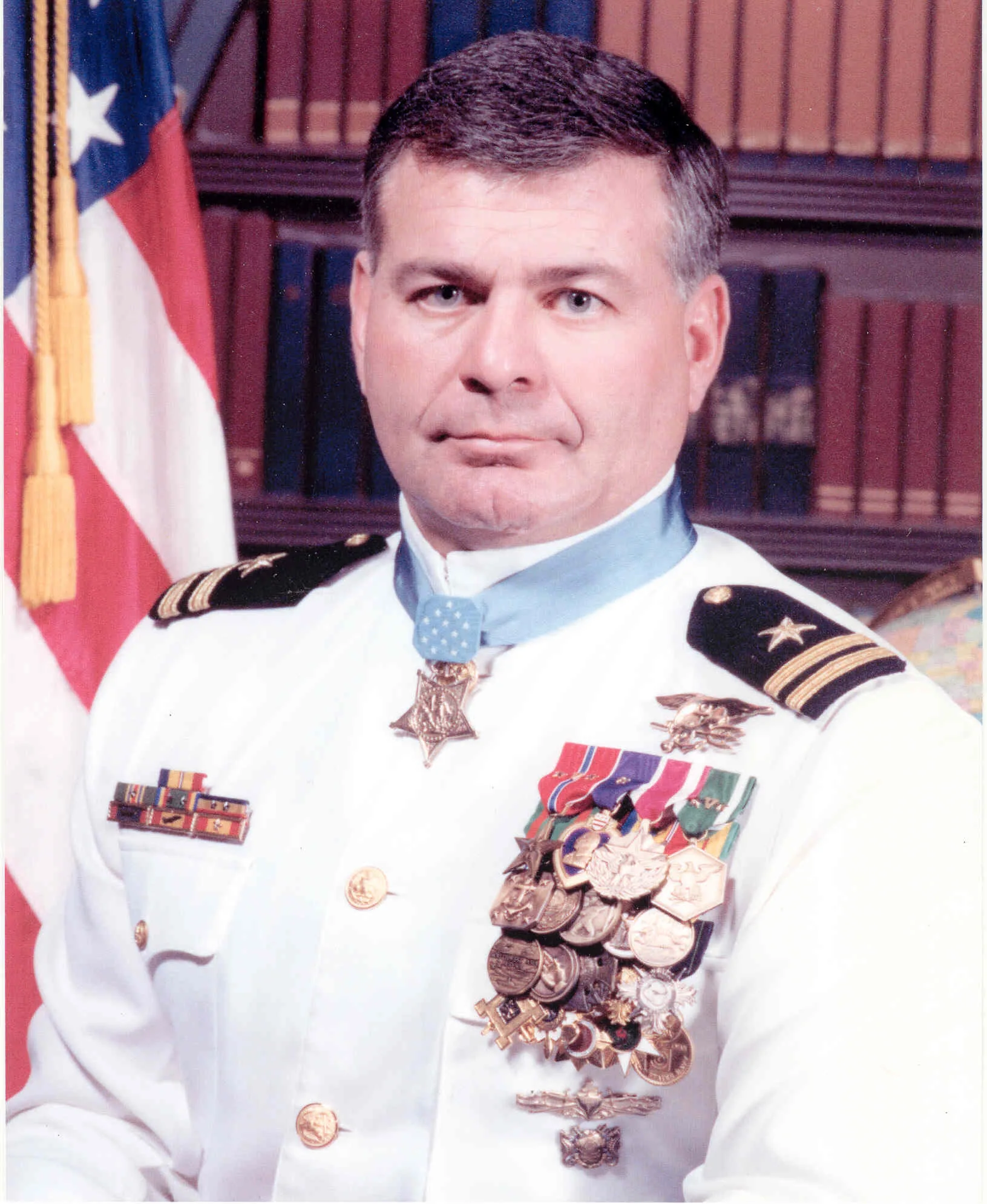
- Decorations include the Medal of Honor, Silver Star, and two Purple Hearts.
Lessons from Thornton’s Actions
Thornton’s rescue demonstrates several enduring principles of combat leadership and unit cohesion:
- Decisive action under fire can change outcomes even when odds are overwhelming.
- Loyalty to teammates—and the willingness to accept personal risk for their survival—is central to unit effectiveness.
- Physical endurance and quiet resolve are as essential as marksmanship and tactics.
“This medal belongs to every man and woman who gives us the freedom today.”
That remark, offered by Thornton after receiving the nation’s highest military honor, reflects his humility and the communal spirit that defined his service. He consistently framed his award as recognition of a wider sacrifice, not as a personal glory.
Legacy and Impact
Beyond the dramatic rescue, Thornton’s career had a lasting effect on the SEAL community. As an instructor and an early member of one of the Navy’s most specialized units, he influenced training philosophies and operational standards for generations of operators.
His story is cited in military circles as an example of what true esprit de corps looks like in combat—where personal survival is secondary to the duty to save a comrade. For civilians, the account offers a vivid lesson in courage, sacrifice, and the moral stakes of service.
Mike Thornton’s name endures not only because of medals and official citations, but because his actions illustrate a timeless truth: heroism is often quiet, relentless, and rooted in an unshakable commitment to others. In the unforgiving jungle and the cold sea that day in 1972, that commitment made the difference between life and death.